I’m Ishan, a product manager at Meesho in Bengaluru. I build voice and agent products for India’s next few hundred million internet users, many of whom have never seen the inside of a mall and see no reason a shopping app should need a cart icon.
Now leading Vaani and Meesho’s Agentic Marketplace PlatformIIT Guwahati, 2017Open to AI roles in Bengaluru, remote or abroad
What I’ve built at Meesho
I joined in 2020. Many of Meesho’s buyers are new to shopping online, and apps are hard for them. Almost everything I’ve worked on since has tried to make that easier, usually by taking something off the screen. The phone shows what each project looked like.
2020
PopShop: shops for people who sell on Instagram and WhatsApp
Associate PM on a 16-person team building a new app inside Meesho
My first job. Every seller on PopShop got a shopfront. Buyers could browse shops from lots of sellers and order in a few taps, and Meesho took care of payments and delivery. Sellers brought their own buyers by running ads to their shopfront.
I worked on seller growth. A typical seller had about ₹2,000 a day to spend on Meta ads and could pack around 40 orders a day. I sat with more than 100 of them and helped them run those ads: who to target, which products to push, what the ad should say. What worked turned into workshops, one-to-one help and short how-to videos.
The cohort went from 10 to 50 orders a day. Meesho folded PopShop back into the main app once it worked.
2021
Checkout, and the address problem
Associate PM, Checkout
Meesho had once tried filling in the address from the phone’s location and given up. We brought it back. We tested map providers (MapMyIndia beat Google on Indian addresses), asked for location as soon as the app opened, which leadership pushed back on and 60–70% of people accepted, and changed how much we autofilled depending on how accurate the location was.
Reverse geocoding alone added +8% activation, and the whole charter +10%.
Lesson I kept: nobody’s address fits in eight boxes.
2022
Meesho’s first GenAI bet
Founding PM, GenAI pod
Meesho wanted to know where generative AI was worth investing in, and I got the chance to find out. I spent two months going through ideas from across the company and scored each one on three questions. How much revenue or cost does it move? How close is it to the core business? Can today’s models actually do it? Customer support came out on top, and the scores also told us which ideas to drop. We built a support agent on retrieval and fine-tuned open-source models.
50K chats a day within about three months. 80% fewer human chat agents. Cost per chat from ₹6–7 to under ₹1.
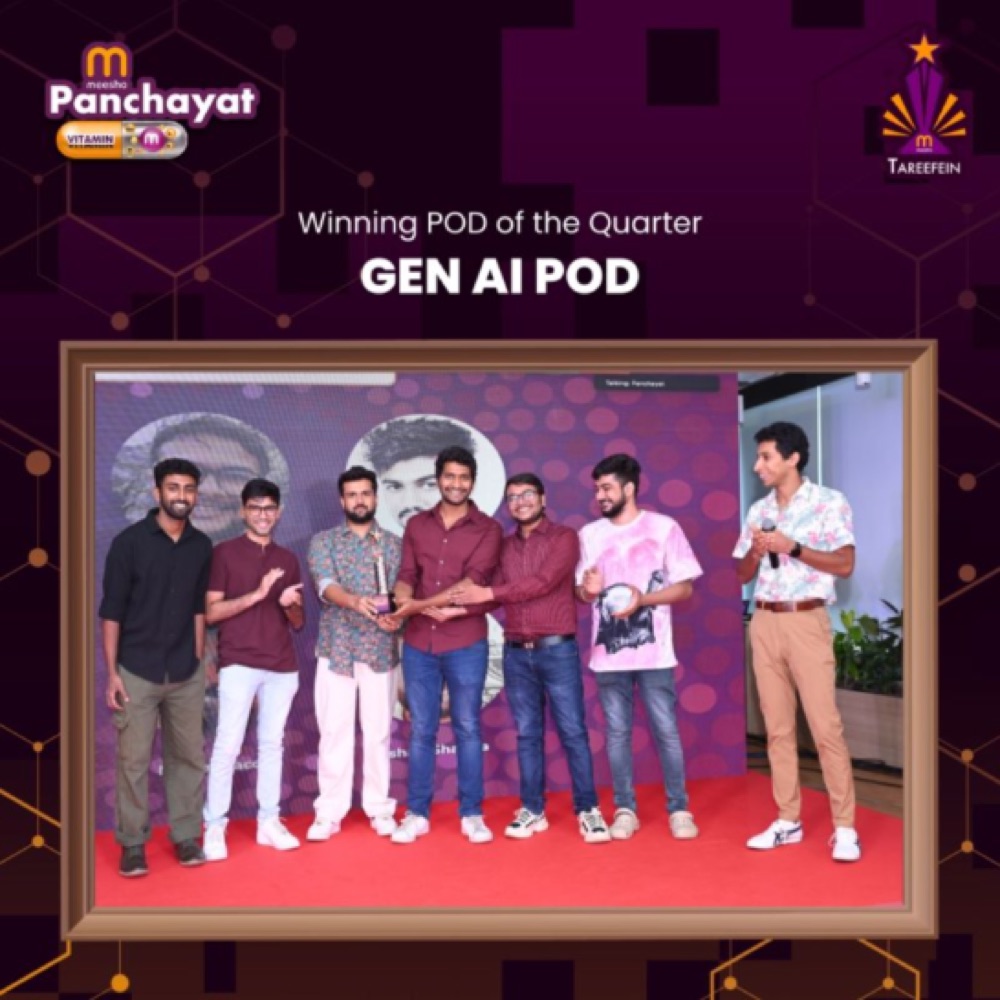
The GenAI pod, Meesho’s winning pod of the quarter
2023
A support agent you can phone
PM, GenAI
The plan was to sell our chat agent to other companies. I pitched it to 30–40 startups and came back unconvinced. Chat was easy to copy, and small businesses didn’t get enough chats to care. A phone agent was much harder to build, so much harder to copy. We built one that spoke Indian languages at a company hackathon, and it moved Meesho’s bet from chat to voice. I picked the model and the inference partner, where latency decided almost everything, and ran pilots with outside clients.
30% of Meesho’s support calls, about 60K a day. Cost per call from ₹6–7 to ₹3, and fewer people calling back about the same problem.
It worked well enough that Meesho started a new line of business on the back of it: Meesho AI Services (MAS).
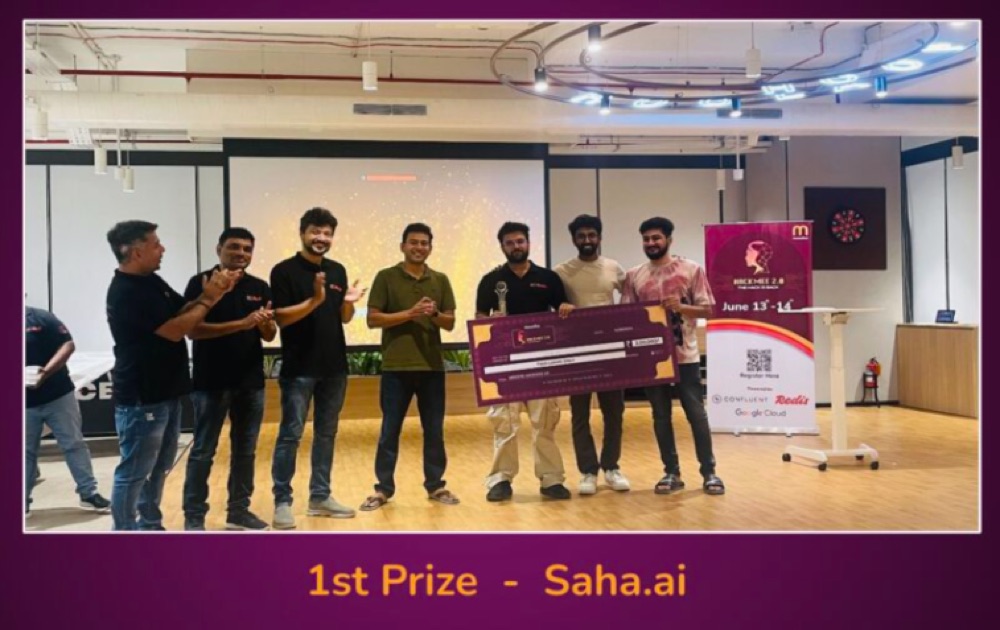
First prize at the Meesho hackathon
2024
The signup that disappeared
PM II, Growth
Our data showed login was where new users from small towns dropped off most. So instead of a better OTP screen, we got rid of the screen. People reinstalling the app were recognised from their device. New installs were verified quietly through the mobile network. Anyone we still couldn’t verify was asked later, while entering an address, when they already wanted to buy.
Login completion went from 66% to 74%, and activation rose 17% against a holdout.
2025
Vaani, a shopkeeper in your phone
Senior PM, owner
New users from small towns were leaving before their first order. Simpler screens, explainer videos and audio hints each helped a little and then stopped helping. The app itself was the problem. So we built an assistant you talk to the way you’d talk to the person behind the counter. It introduces itself during onboarding and offers help when someone gets stuck, like a payment that stalls or a search that finds nothing, because almost nobody presses a mic button on their own.
1.5M+ users in the first month. +22% activation among people who used it, +6% across half of all new users. 39% adoption. A voice stack 22× cheaper than the default cloud setup.
Addresses by voice: the village, a landmark, whose house it is. That alone added another +5%.
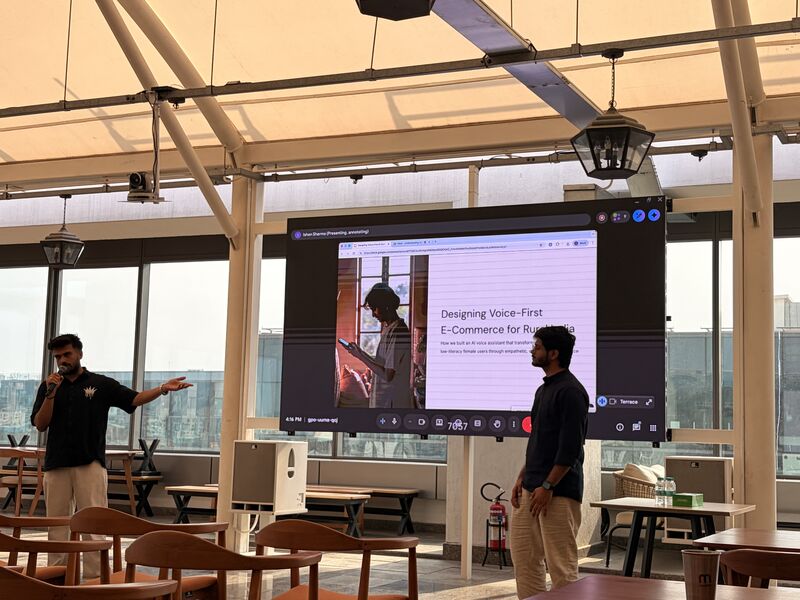
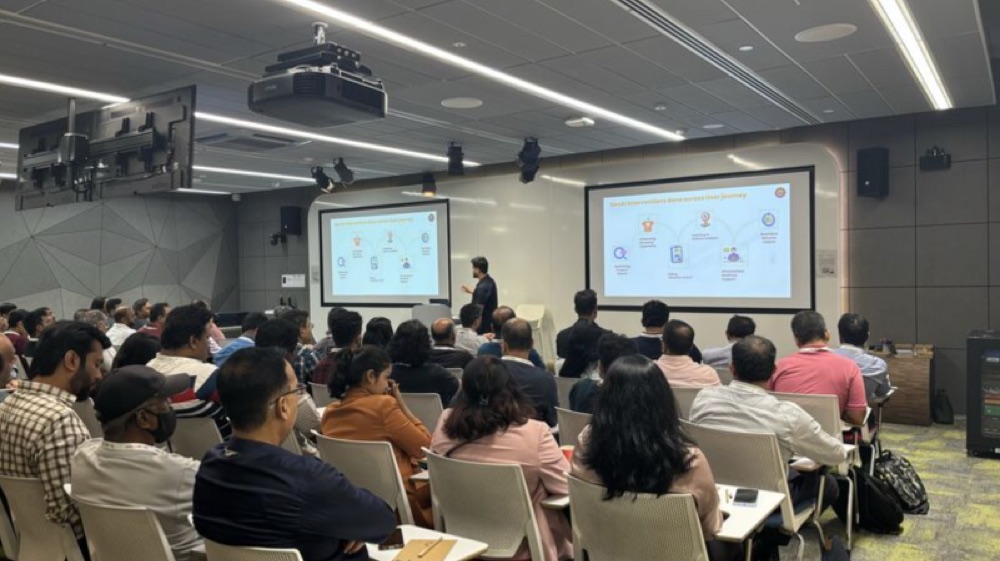
Presenting “Designing Voice-First E-Commerce for Rural India”, April 2026
2026
Agents with no screen at all: the Agentic Marketplace Platform and Buy-For-Me
Senior PM, Agentic Marketplace Platform
Once Vaani worked, every team wanted an agent. I’m the only PM across three engineering pods building the parts they share: memory, evaluation and orchestration. It doesn’t depend on any one model, so we can switch when something better or cheaper comes out. I also mentor Buy-For-Me. Shoppers buy from D2C brands without leaving Meesho, and agents place, track and return the orders on each brand’s own store.
Buy-For-Me is live with ~100 Shopify brands at about $10K GMV a day.
popshopSearch shops
RekhaAnjaliFarhaMeena
Rekha’s CollectionYou came from her Instagram ad
Follow
Bandhani₹449
Cotton₹329
Silk blend₹599
Printed₹279
Buy now ₹449Cash on delivery. Shipped by PopShop.
Add delivery address
Use my current location
Sunita Devi
Near Hanuman mandir
Barmer
Save address
Meesho Help
mera order kab aayega?
Aapka kurta kal tak pahunch jayega. Track karna hai?
HaanNahi
Type a message
Meesho Support02:14
MuteSpeaker
You’re in
शादी के लिए साड़ी दिखाओ, हज़ार रुपये तक
“Show me sarees for a wedding, up to a thousand rupees”
What I build on weekends. Agents do most of the work and I act as the editor, which turns out to be the best product education I’ve had.
8 Bit History
Ancient India, one episode a day, on Instagram @8bit.india. Each episode picks up where the last one ended.
I love history and never had time to make anything with it, so I built a studio that makes it with me. Agents research from a catalogue of sources, draft the script against written principles, generate the stills and inspect every one, narrate with Sanskrit and Pali names spelled in Devanagari, then transcribe the narration back to catch any mispronunciation. They cut, caption and publish the episode, read the analytics, and write down what to change in the next script.
Sources
Script
Stills + visual QA
Narration + ASR check
Edit
Publish
Analytics, back to script
I spent weeks testing hook wording. The data said wording barely mattered. The subject did.
One person, one big moment35% skip
A concept or institution50.6%
3.5Mviews across 60 reels
99Kshares
59 → 12.3Kfollowers in seven weeks
63Ksaves
Civic Issue India
Bengaluru’s complaints on X, sent to the person who can fix them. Live at civicissue.in.
Bengaluru complains loudly on X, and almost none of it reaches the official who could act. This collects public posts every day and uses a language model to keep only the actionable complaints. Each one is matched to a ward and a department and given a deadline, so an official sees a queue rather than a timeline.
BBMPBESCOMBWSSBTraffic police
Posts collected4,989
Actionable complaints kept1,012
Wards they map to369
8-bit Humanity
How phones, feeds and AI are changing what people do. On Instagram @8bit.humanity, since October 2026.
This one has my face in it. Every episode starts from a primary source I’ve actually read: a court verdict, a research paper, a court order. Agents help me research and draft the brief, check the script before I record, and make the covers and the edit. I read it to camera.
It’s the opposite bet to 8 Bit History. That channel is about the past, and agents make all of it. This one is about the present, and it only works if a real person is saying it.
Field notes
Things I believe now that I didn’t when I started building with AI. Some about users, some about building, some about teams. I’ll be wrong about a few.
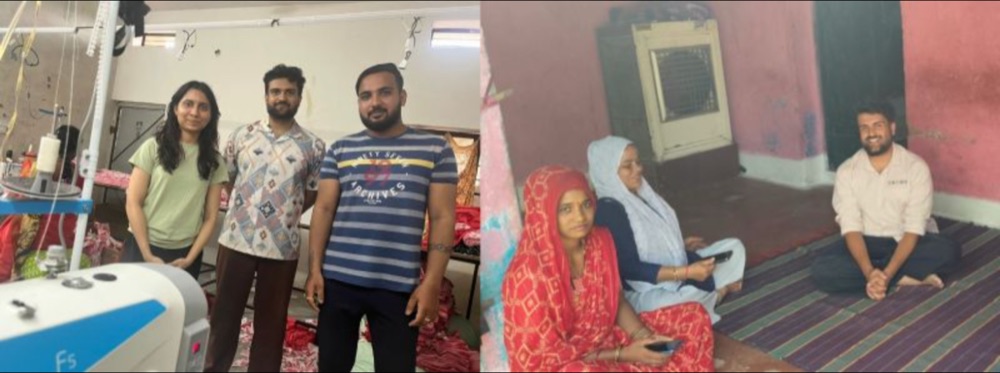
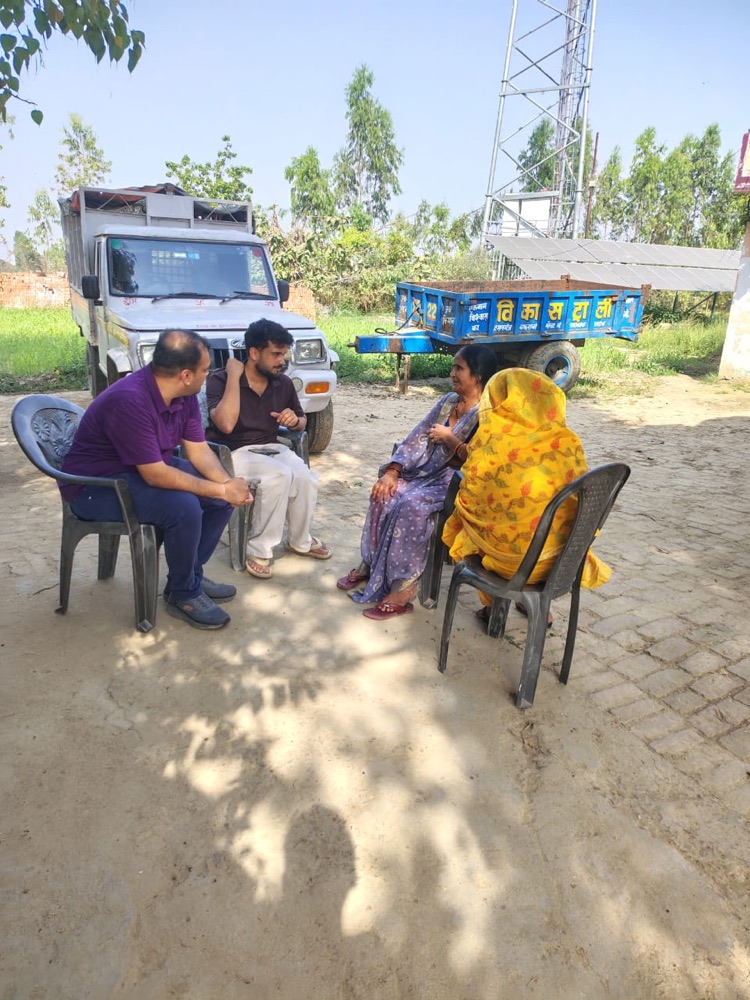
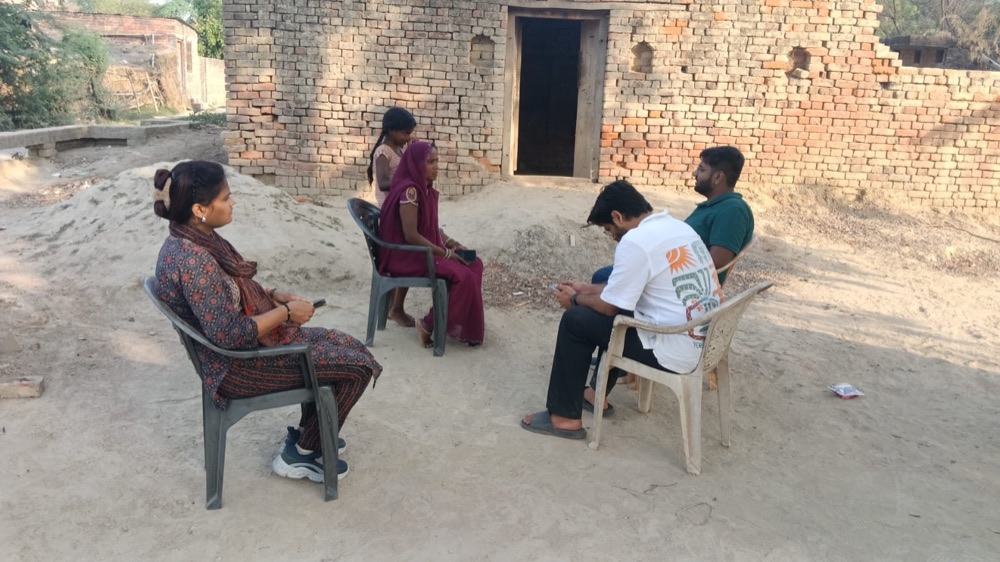
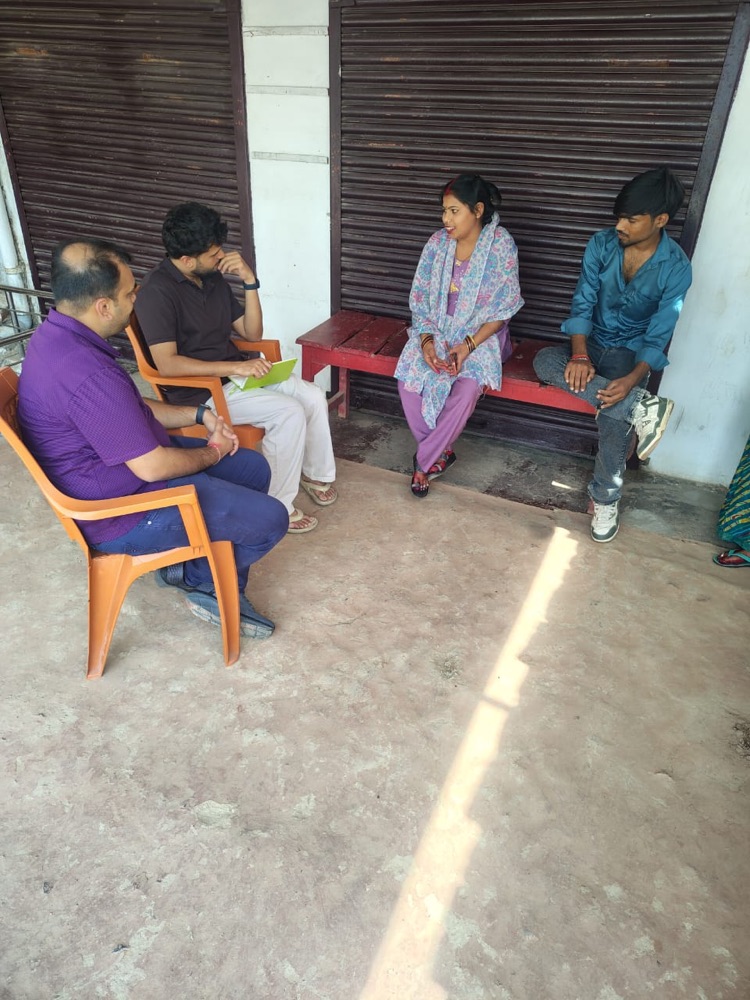
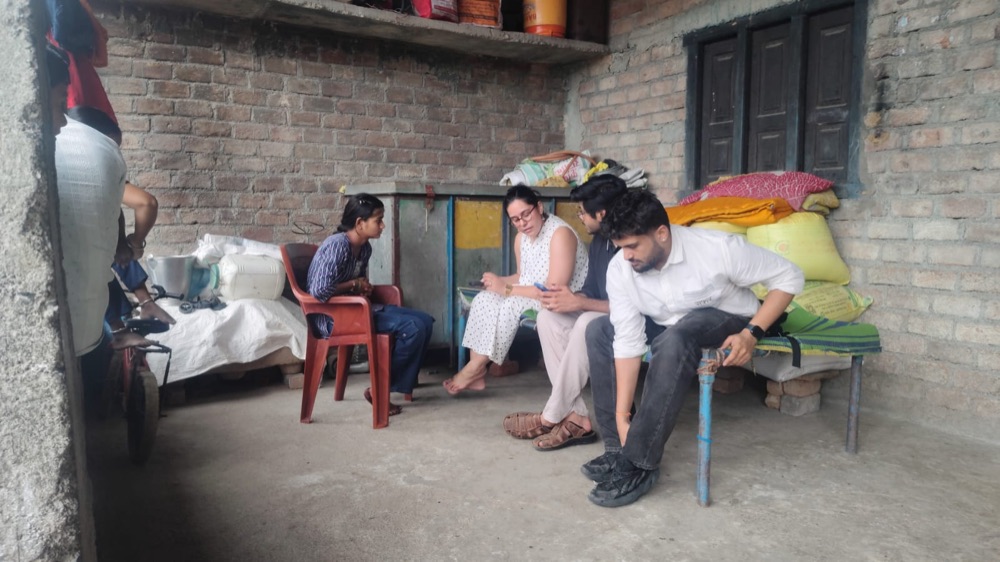
Most of them started on visits like these.
A seller’s workshop, and a customer’s front roomChairs out in the open, under the village mobile towerOutside a brick house, one family at a timeNotes on a green clipboard, outside a shuttered shopIndoors with a family, next to their stacked bedding
On users
01The cart is a foreign object
When we sat with users in small towns, some of the friction was humbling. The cart icon meant nothing to people who had never pushed a trolley through a supermarket. Typing into a search bar was slow and felt unnatural.
E-commerce was designed by people who already knew how to shop online. For the next few hundred million users, the familiar model is the neighbourhood shop: you describe what you need, the shopkeeper asks a question or two and shows you three things. We weren’t trying to teach people the internet’s metaphors. We were trying to bring the shop’s conversation online.
02An address is a story, not a form
Many rural users couldn’t fill our address form. They knew where they lived; that just isn’t how an address exists in their heads. They know the village, a landmark and whose house it is.
Voice let us ask the way a person would. The hard part was knowing what to ask next and when to stop, so we built that as an explicit state machine tied to geocoding. When users fail a form, check whether the form matches how they hold the information before you redesign it.
03Every turn has to count
Voice is intrusive. It takes over someone’s attention in a way a screen doesn’t, so a voice turn has to give more than the screen would have.
Every turn also costs money. In a business where an order is worth a few hundred rupees, a chatty assistant can lose money on the very users it was built to win. Fewer, better turns was the right rule for experience and for unit economics at once.
04Nobody presses the mic button
If adoption depends on users discovering a new way to use the app by themselves, it won’t happen. Vaani reached 39% adoption because it introduced itself during onboarding, and offered help when behaviour showed someone was stuck: a stalled payment, a search that came back empty. The assistant should show up when it’s useful.
05When fixing the UI stops working
Before Vaani we simplified screens, added explainer videos and tried audio guidance. Each moved activation a little and then flattened out for rural cohorts. Small wins that stop compounding were the signal that we were executing an idea with a ceiling. That’s when an expensive change of interface becomes worth paying for.
On building
06Cost is a product decision
Cost per conversation decided whether we could reach every user or only a pilot cohort. Vaani’s voice stack ended up 22× cheaper than the default cloud setup, mostly from moving speech on-device, a choice that came out of benchmarking rather than conviction. A PM who treats inference cost as engineering’s problem ships something that works in the demo and gets rolled back at the budget review.
07Design for the broken input
Real speech is noisy: mixed languages, background sound, cheap microphones. A pipeline that assumes a clean transcript fails exactly where it’s needed most. We built a salvage layer that recovers intent from noisy transcription and keeps what the assistant says on a controlled script. A wrong word on screen is a typo. A wrong word spoken aloud with confidence breaks trust.
08Latency is a design problem
You can’t always make the model faster, but you can make the wait feel different. We let the screen respond and move while the voice catches up, instead of leaving people in silence. For the phone agent, latency mattered more than benchmark quality when choosing the model and inference partner.
09Evals that know about revenue
Most evals ask whether the model answered well. That can’t tell you whether the conversation led to an order. We joined clickstream to conversation logs so every conversation could be traced to what the user did next. The rest is unglamorous: golden datasets, sampling heuristics, people reading transcripts every week.
10Not everything should be an LLM
The address flow could have been one big prompt. It worked better as a state machine with the model doing what it’s good at, which is understanding a messy answer. Use the model for language and keep the logic where you can see it, especially where a mistake sends a parcel to the wrong village.
11Build the platform second
Meesho’s Agentic Marketplace Platform exists because Vaani came first and taught us what memory, evaluation and orchestration needed to do. A platform designed before a real product has used it tends to be general in the wrong ways. Two rules we hold to: stay model-agnostic, and make build-vs-buy calls layer by layer.
On teams and bets
12How to choose the first bet
In late 2022 I scored every GenAI idea on three things: the size of the lever, closeness to the core business, and how well today’s technology fits the problem. The third question does most of the work. Plenty of valuable problems are a poor fit for what models can do right now.
13A demo beats a deck
The move from chat to voice came from a hackathon prototype that leadership could phone and hear. With AI products, how the thing feels is much of the argument, and you can’t put that in slides. To change a big decision, build the smallest thing someone can try.
14Look for the hard version
After pitching our chat agent to 30–40 startups I thought selling it wouldn’t work. Small businesses lacked the volume, incumbents owned the integrations, and chat was too easy to copy. Voice over telephony avoided all three because it was harder: latency, Indian languages, telephony plumbing. The difficulty was the moat.
15The team I’d build again
Small and long-lived, because know-how about AI products builds up in people. Someone who reads transcripts every week, because dashboards tell you that something changed and transcripts tell you why. Field time for everyone: engineers who have watched a user struggle make different trade-offs. And permission to kill things cheaply, without it being a career risk.
16PMs should hold the prompts
In AI products the prompt, the eval set and the conversation design are the spec, in a form that runs. A PM who hands the prompts to engineering has handed off the product. I write prompts, read failure cases and own the golden datasets, because that’s where decisions about what the product does are actually made.
Talks, awards and before Meesho
2024
Spoke at Google India about building GenAI for Bharat’s shoppers.
2018–2020
Prepared for the civil services exam before joining Meesho.
2015
Public Policy Fellow at the Vivekananda International Foundation. My proposal on Indian Railways reform was submitted to the Union Minister.
2013–2017
B.Tech at IIT Guwahati. In 2016 I was Overall Coordinator of Alcheringa, the college’s cultural festival: a 300-person team, 70–80K visitors, a ₹1 crore budget and auditions in ten cities.